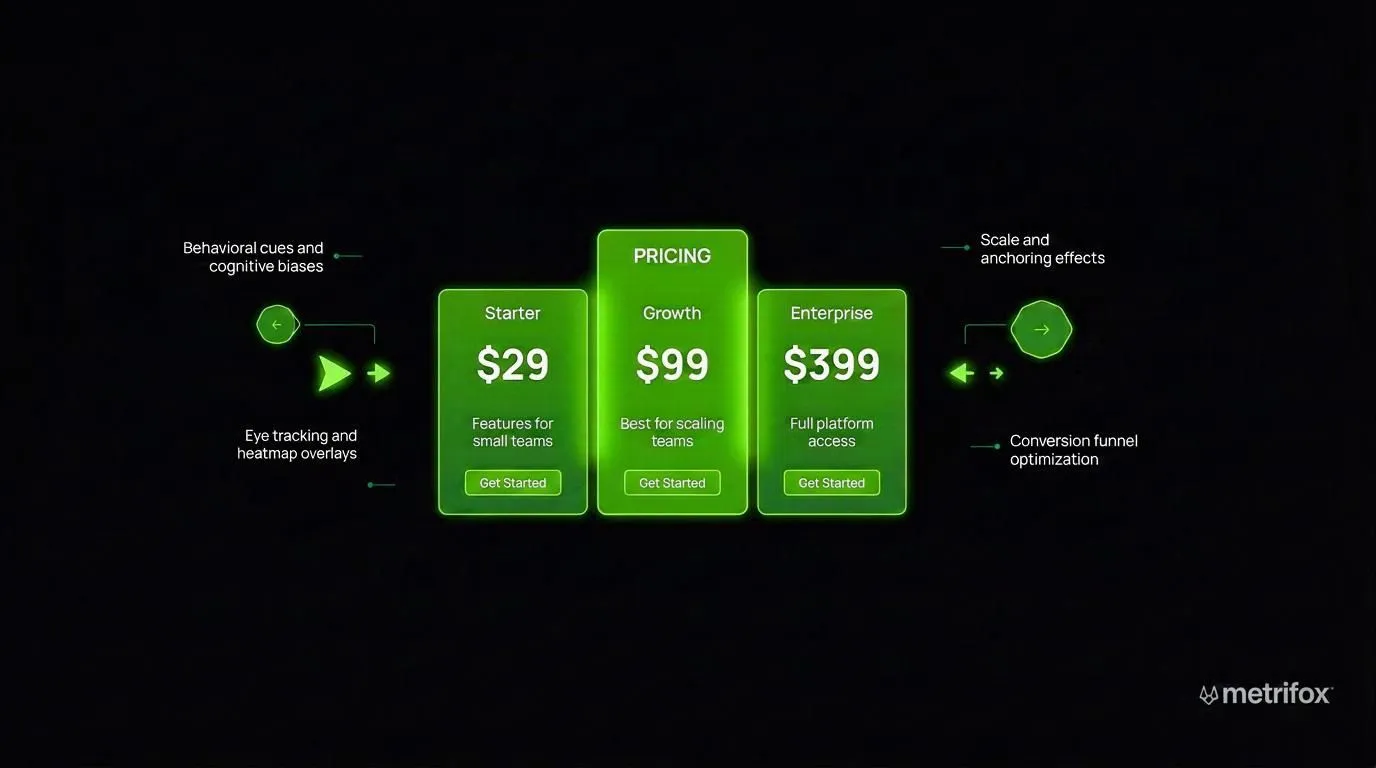
Most AI startups pick their first pricing model in a rush and pay for it for years. The team is shipping product, the cost of an inference call moves week to week, and nobody has time to think hard about what a customer should pay for what is being delivered. So they pick a number that feels conservative, wire it into Stripe, and move on. By month 18, the gap between what the product costs to run and what customers are paying has quietly opened, and changing the price has become politically expensive in a way it was not on day 1.
Metrifox, a billing platform that launched in September 2025, is attacking this exact problem. Last month it announced a partnership with Datamellon, a community of African AI startups, that puts real money behind a specific bet about how pricing decisions compound.
The partnership
The headline is $5,000 in Metrifox credits for any Datamellon founder who signs up through the referral link. The credits cover usage of the platform itself, the metering, billing, and entitlement features Metrifox sells to AI and SaaS teams trying to move past basic Stripe subscriptions.
Around the credits sits a smaller, less quantifiable set of offers. Monetization playbooks written for AI and SaaS startups. Founder office hours on pricing and billing architecture with the Metrifox team. Priority onboarding. The partnership is open-ended, with no end date on the credit offer.
For context: most partnerships between infrastructure tools and startup communities are a percentage discount and a Slack channel. $5,000 in credits plus office hours is a larger commitment, and a deliberate one.
The bet underneath
The choice is worth pausing on. Founder office hours are expensive. $5,000 in product credits is real margin. Spending both on pre-revenue or early-revenue startups, instead of on the marketing channels most billing tools rely on, only makes sense if you believe certain things.
The first belief is that pricing decisions made early compound. A startup that prices itself correctly in year 1 grows faster than one forced to renegotiate in year 3, partly because the unit economics are healthier, partly because customers have not anchored to a number that was wrong from the start.
The second belief is that the customers Metrifox wants, AI startups with variable consumption costs and engineering teams that would rather not build billing themselves, cluster in places like Datamellon. The community has already done the filtering. Going deep with one community is more efficient than spreading thin across a generic audience.
The third belief, harder to articulate, is that pricing is the kind of decision founders want help thinking through. A Stripe checkout integration is something you read documentation about. A pricing model is something you talk to someone about. Metrifox is offering the conversation as part of the product. Most billing tools are not.
What to watch
The category is crowded. Metronome, Lago, Orb, and Stripe’s own billing layer are all serious players with funding and distribution an early-stage company cannot match head-on. The partnership strategy is one answer to that, going deep with communities where the larger players are still treating the audience as one segment among many.
2 things will tell us whether this works as a real distribution play. Whether Datamellon founders who claim the credits become paying customers when the credits run down, the conversion question. And whether other AI-startup communities follow Datamellon’s lead, which would suggest the model is repeatable.
What we’re rooting for
We’re rooting for Metrifox to sign up 30 new Datamellon founders by end of Q3. That’s the number where the partnership stops looking generous and starts looking strategic, a real signal that the bet on community-led distribution is working. Spotlight will be checking back when Q3 closes.
Datamellon founders can apply at app.metrifox.com/signup.